To make this piece more investigative, we need to shift the tone from a generic, promotional blog post to an authoritative, consumer-advocate expose.
An investigative piece should highlight hidden challenges, industry secrets, potential pitfalls, and technical realities that standard sales pitches gloss over. It should position the reader as an investigator and the concrete contractor as someone who must prove their competency.
Here is the revised, highly investigative version of your content:
The High-Altitude Concrete Investigation: What Contractors Won’t Tell You About Building Near Fishlake National Forest
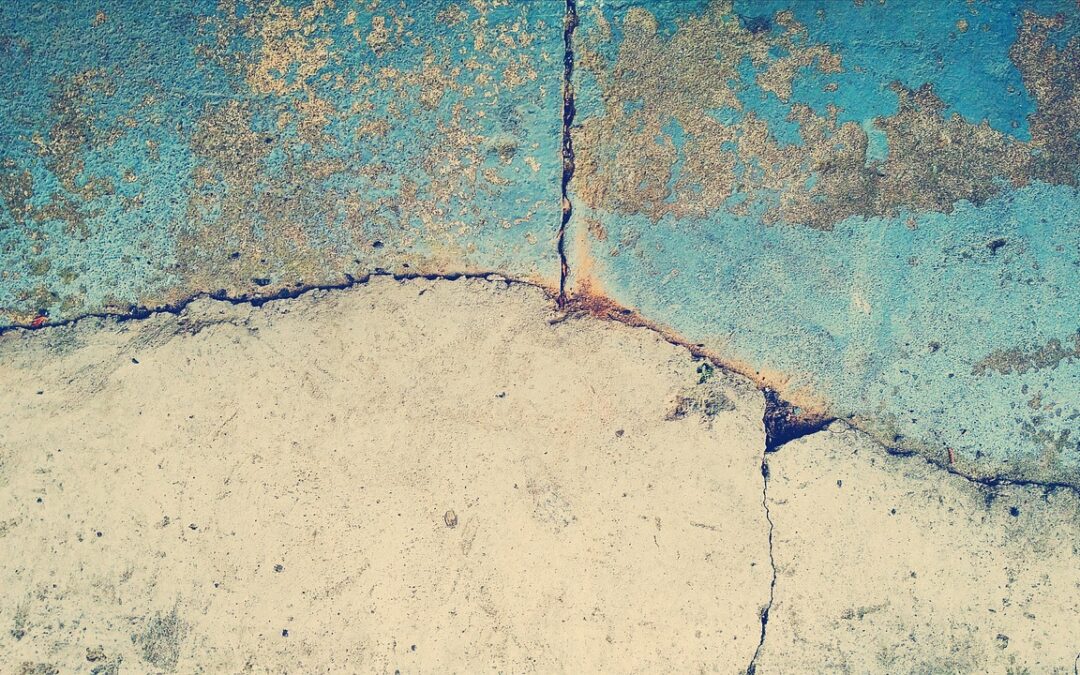
Building a cabin retreat or a scenic patio near the breathtaking Fishlake National Forest sounds idyllic—until the first spring thaw cracks your investment in half.
The reality of high-altitude construction is unforgiving. If you hire a standard Wasatch Front contractor who treats a mountain project like a suburban Salt Lake driveway, you are setting yourself up for structural failure. We investigated what it actually takes to pour durable concrete in this extreme environment, and what you must demand from a concrete company before signing a contract.
Suggested Internal Links for the Investigation:
The High-Altitude Blueprint:[Top Building Tips for Utah’s Mountain Regions]
Aesthetics vs. Durability:[Stamped Concrete Options for Rustic Cabins]
The Foundation Report:[How to Prepare Soil for a Strong Concrete Foundation]
Critical External Resources:
Environmental Constraints:[USDA Forest Service – Fishlake National Forest Official Site]
Industry Baselines:[American Concrete Institute (ACI) – Concrete Standards and Safety]
The Hidden Culprit: Why Mountain Slabs Fail
Our investigation into mountain concrete failures reveals a common culprit: inadequate subgrade preparation.
Near Fishlake, the ground isn’t just “dirt”—it is a volatile mix of clay, organic forest matter, and glacial runoff. When the massive mountain snowpack melts in the spring, hydrostatic pressure builds beneath your slab.
To prevent your heavy concrete from sinking or shifting, you must interrogate your contractor on their preparation process. A basic pour-and-promise job won’t cut it. A certified contractor must execute three non-negotiable steps:
Excavation & Geotextile Fabric: Clearing the organic topsoil down to stable subgrade and laying heavy-duty geotextile fabric to prevent soil mixing.
Engineered Gravel Base: Laying a minimum of 4 to 6 inches of crushed, angular gravel (not rounded river rock) to allow water to drain under the slab rather than pooling beneath it.
Mechanical Compaction: Compacting the base to at least 95% Proctor density to ensure no shifting occurs under heavy snow loads.
Material Choices Under the Microscope: Stamped Concrete
While standard gray concrete is functional, many mountain homeowners opt for decorative finishes to match the rugged landscape. However, decorative concrete in freeze-thaw zones comes with hidden risks.
The Case for Stamped Concrete
The Aesthetic: Stamped concrete can be masterfully engineered to mimic natural stone, slate, or even rustic wood planks, allowing your patio to blend seamlessly with the surrounding forest.
The Investigative Warning:Never let a contractor pour stamped concrete in the mountains without verifying two things: Air-Entrainment and Sealer Quality.
Air-Entrainment: The concrete mix must contain microscopic air bubbles (typically 5% to 7%) to give freezing water room to expand inside the concrete without cracking it.
The Slip Factor: Stamped concrete can become a sheet of ice in Utah winters. Insist that your contractor mixes a heavy slip-resistant aggregate (like shark grip) into the final sealer.
The Logistics Trap: Wasatch Front vs. Fishlake
Because Fishlake National Forest sits hours away from the primary Wasatch Front metro areas, you must investigate a contractor’s transit logistics. Concrete begins to hydrate (cure) the moment it is mixed. If a Wasatch Front company is trucking wet concrete over mountain passes without utilizing local batch plants or set-retarding admixtures, the concrete will lose its strength before it even hits your property.
Before hiring, ask to see their log of successful high-altitude pours and demand a detailed plan for material transit.
Finding the Best Concrete Company Wasatch Front Offers Near Fishlake National Forest
Are you planning to build a cozy cabin, a scenic patio, or a durable driveway near the breathtaking Fishlake National Forest? Nestled in the heart of Utah, this stunning natural wonderland is famous for its massive aspen groves and beautiful lakes. However, the mountain environment also brings unique construction challenges. To ensure your building project lasts through freezing winters and hot summers, finding a reliable concrete company Wasatch Front homeowners trust is your very first step. Together, you can make the right decisions for your budget and property.
Quick Summary: The Right Mix for the Mountain Wilds
Don’t have time to read the whole guide? Here is the short version: Building near Fishlake National Forest requires exceptionally tough concrete. You need an experienced concrete company Wasatch Front builders rely on to help you make smart Material Choices. Choosing high-strength mixes with special air-entraining additives will protect your pathways, cabin foundations, and patios from Utah’s harsh freeze-thaw cycles.
Smart Material Choices for Tough Utah Climates
When you build in the high country, your concrete faces extreme weather conditions. The choices you make before the mixing truck arrives will determine whether your concrete lasts for decades or cracks after its first winter.
Why Concrete Mix Matters Near Fishlake National Forest
Fishlake National Forest sits high above sea level, where the air is cool and winter snowpacks are deep. If your concrete holds too much water, that water will freeze, expand, and break the slab from the inside out.
Understanding the Freeze-Thaw Cycle
When liquid water gets into the tiny pores of concrete and freezes, it expands by about nine percent. This expansion puts immense pressure on the cement. Over a few seasons, this pressure causes the surface to flake, peel, and crack. To stop this, a professional concrete company Wasatch Front contractor will use “air-entrained” concrete, which contains billions of microscopic bubbles that give freezing water room to expand safely.
Choosing Your Finishes and Aggregates
You have many exciting options when deciding how your concrete will look and perform. Let’s explore some popular Material Choices for mountain homes:
Stamped Concrete: This option can mimic the look of natural stone, slate, or even wood planks, helping your patio blend in beautifully with the surrounding forest scenery.
Fiber-Reinforced Concrete: Tiny synthetic fibers are mixed throughout the wet concrete. These fibers act like millions of mini-supports, reducing cracks and strengthening the overall structure.
Exposed Aggregate: By stripping away the top layer of cement, the colorful natural stones and gravel underneath are revealed. This provides a rustic look and excellent traction during icy winter months.
Why Local Expertise Around Fishlake National Forest Matters
Fishlake National Forest is home to the famous Pando Aspen Clone and a variety of wild terrains. The soil here can range from damp and muddy to rocky and dry. A builder from outside the area might not understand how these soils behave. By hiring a qualified concrete company Wasatch Front experts recommend, you get a team that knows how to prepare the ground properly. This includes laying down a solid gravel base and compacting the dirt so your heavy concrete does not sink or shift when the mountain snow melts in the spring.
Frequently Asked Questions
Can you pour concrete in the winter near Fishlake National Forest?
It is generally not recommended to pour concrete on frozen ground or during freezing temperatures. Cold weather slows down the chemical reaction that hardens the concrete, making it weak. It is best to schedule your project during the warm spring, summer, or early autumn months.
What are the best material choices for a cabin driveway?
For high-elevation driveways, a thick concrete slab with a low water-to-cement ratio, fiber or steel reinforcement, and air-entrainment is the best choice. This mix can easily handle heavy snowplows and severe temperature drops.
How do I find a reliable concrete company Wasatch Front homeowners trust?
Look for contractors who have plenty of experience working in high-altitude environments. Always ask for local references, check their online reviews, and make sure they are licensed, bonded, and insured in the state of Utah.
What is air-entrained concrete, and do I need it?
Yes, you absolutely need it for mountain projects. Air-entrained concrete contains microscopic air pockets. These pockets act as tiny relief valves when trapped water freezes, preventing the surface from cracking and crumbling.
How long does concrete take to cure in mountain environments?
Concrete starts to harden within a few hours, but it takes about 28 days to reach its full design strength. In cool mountain climates, you must keep the concrete moist and warm during the first few critical days to ensure it cures properly.
A Look Back: Designing Concrete That Lasts a Lifetime
Building a lasting structure near the beautiful Fishlake National Forest is an exciting journey that requires careful planning. To make sure your hard work stands the test of time, you must focus on smart Material Choices. High elevations bring extreme cold, heavy snow, and shifting soils. By selecting advanced concrete mixes, such as air-entrained or fiber-reinforced formulas, you shield your walkways, patios, and foundations from the damaging freeze-thaw cycle.
Equally important is partnering with a skilled concrete company Wasatch Front residents rely on. Local professionals understand the unique challenges of Utah’s mountain environments. They will correctly prepare the soil, suggest the best finishes for traction, and pour your concrete at the perfect time of year. With the right materials and the right team, your mountain getaway will remain strong, functional, and beautiful for generations to come.