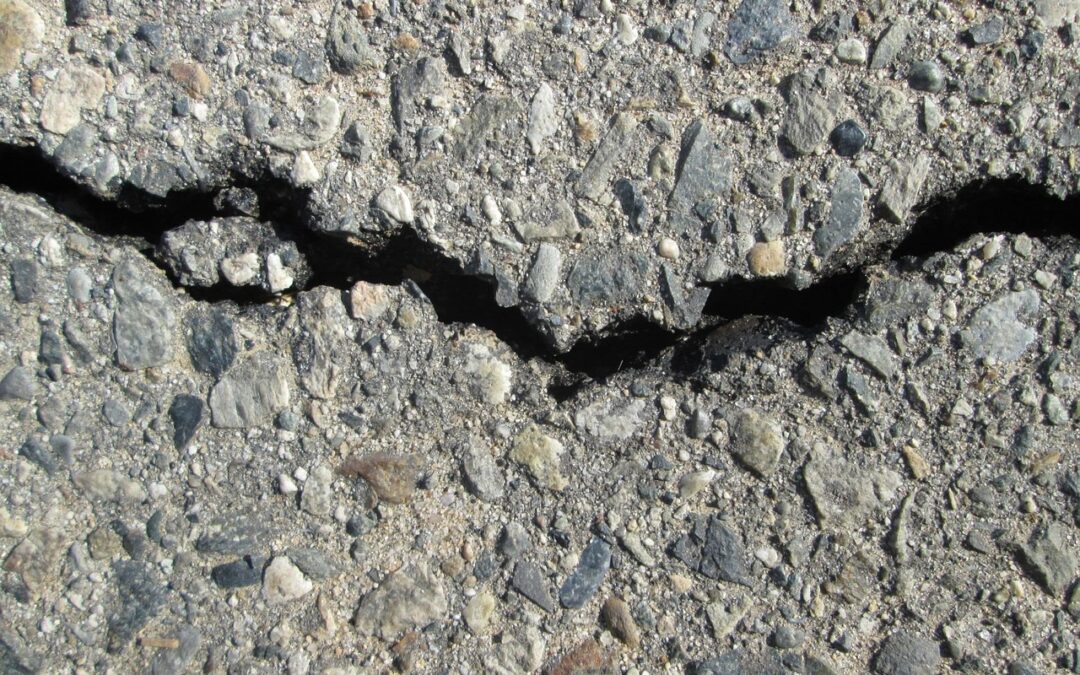
Sanpete County Utah freeze thaw concrete damage solutions, How Concrete Cures, etc
Here are a few ways to rewrite this content to make it sound more encouraging, helpful, and empowering for your readers.
Option 1: Warm, Helpful, and Empowering (Best for a friendly blog tone)
This option focuses on building confidence and making the reader feel supported in their project.
📚 Ready to Take Your Project to the Next Level?
Explore these hand-picked local guides to help you get the absolute best results for your home:
[The Ultimate Guide to Curing Concrete in Utah’s Dry Climate] – Master the local elements! Learn how to keep your concrete strong and beautiful, even in dry mountain air.
[Essential Winter Home Maintenance Tips for Sanpete County Residents] – Keep your home cozy, safe, and protected all winter long with these easy, practical tips.
[How to Choose the Best Concrete Sealer for Freezing Climates] – Find the perfect shield to protect your investment from harsh winter freeze-thaw cycles.
💡 Pro Tips & Trusted Resources
[American Concrete Institute (ACI)] – The gold standard for concrete success.
Don’t let winter weather worry you—protecting your concrete is actually very simple once you know how it works! Think of concrete as a structure that just needs a little breathing room.
The Science Made Simple:
When water gets trapped inside concrete and freezes, it expands. To prevent cracking, quality concrete mixes contain microscopic air bubbles. These bubbles act like tiny, built-in safety valves, giving the expanding ice a safe place to go without hurting your concrete!
Your 3-Step Success Plan:
Give it breathing room: Use a concrete mix designed with tiny air pockets (air-entrained concrete).
Lock out moisture: Apply a high-quality sealer to keep water from soaking in.
Start strong: Ensure your concrete cures properly right from day one!
Option 2: Short, Action-Oriented, and Positive (Best for a modern, sleek website)
This option is highly encouraging but uses active, punchy language to drive clicks.
🚀 Boost Your Know-How!
Check out these quick, highly relevant guides designed to save you time and money:
[Master Dry-Climate Curing] – Your ultimate guide to perfect Utah concrete.
[Protect Your Sanpete County Home] – Essential winter maintenance tips you can do this weekend.
[Choose the Perfect Winter Sealer] – Keep your concrete safe from freezing temperatures.
🌟 Expert Inspiration
[American Concrete Institute (ACI)] – Learn from the industry leaders.
Did you know? You can easily winter-proof your concrete! It all comes down to giving water a safe place to expand. By using modern mixes with microscopic air pockets (which act like tiny safety valves) and applying a protective seal, you can keep your concrete looking brand new for years to come. You’ve got this!
Why these changes work:
Positive Framing: Changed words like “The Problem” to “The Science Made Simple” or “Your Success Plan” to reduce anxiety and focus on solutions.
Action Verbs: Used words like Master, Protect, Boost, and Explore to make the internal links feel exciting and valuable.
Clear Formatting: Used emojis, bold text, and bullet points to make the technical explanation of freeze-thaw cycles feel friendly and easy to digest.
The Quick Scoop: Why Your Concrete Cracks and How to Save It
If you live in Mt. Pleasant, Utah, you know our winters are beautiful but freezing. This cold weather is incredibly tough on concrete driveways, sidewalks, and patios. Here is the fast explanation of what happens and how to fix it:
The Problem: Water gets into the tiny pores of your concrete. When that water freezes, it expands and cracks the surface. This is called freeze-thaw damage.
How Concrete Cures: Concrete does not just dry out. It actually goes through a chemical reaction called hydration to get strong. If this curing process is rushed or done in freezing weather, the concrete will stay weak forever.
The Solution: To prevent damage, you must use special concrete mixes with tiny air pockets, seal the surface to keep water out, and make sure your concrete cures properly from day one.
Sitting high in the Sanpete Valley, Mt. Pleasant experiences extreme seasonal changes. We enjoy warm, sunny summers, but our winters bring heavy snow and freezing temperatures. In the transition seasons of spring and fall, the temperature can swing from freezing at night to warm and sunny during the day.
During a typical Sanpete County winter, concrete can go through dozens of freeze-thaw cycles. Every time the temperature crosses the freezing mark, your concrete is put to the test.
This constant temperature swing is why local homeowners often notice their driveways flaking, peeling, or cracking. Finding the right Sanpete County Utah freeze thaw concrete damage solutions starts with understanding your concrete’s secret life cycle.
How Concrete Cures: The Chemistry of Strong Stone
Many people believe that concrete gets hard simply by drying out. In reality, the opposite is true! Concrete needs water to grow strong. This process is called curing.
The Hydration Process: More Than Just Drying
When cement powder is mixed with water, a chemical reaction called hydration begins. This reaction creates tiny crystals that wrap around the sand and gravel in the mix, locking them together like microscopic puzzle pieces. This is how concrete cures and builds its strength over several weeks.
If concrete dries out too quickly because of the sun or wind, the crystals stop growing. This leaves the concrete weak, dusty, and highly prone to cracking.
Why Early Curing Matters for Winter Survival
For concrete to survive a Mt. Pleasant winter, it needs to reach a certain strength before the first freeze. Newly poured concrete contains a lot of leftover water. If that water freezes before the concrete cures properly, the ice crystals will destroy the chemical bonds. This ruins the concrete before it ever has a chance to be useful.
The Freeze-Thaw Cycle: Concrete’s Worst Enemy
Concrete looks completely solid, but it is actually a lot like a dense sponge. It is full of microscopic pores, capillary paths, and tiny air pockets.
How Water Destroys Concrete from the Inside Out
When rain or melting snow sits on your driveway, the concrete sucks that water in. When the temperature drops below 32°F, that trapped water turns to ice. As water freezes, it expands by about 9% in volume.
This expansion creates massive pressure inside the concrete. If there is no room for the water to expand, it pushes against the solid walls of the concrete. Over time, this pressure causes the surface to flake off (a process called scaling) or crack open.
The Sponge Effect in Mt. Pleasant Winters
Because Mt. Pleasant gets plenty of snow, meltwater runs across our sidewalks during sunny afternoons. When the sun dips behind the mountains, that water quickly freezes again. This daily cycle is why local driveways deteriorate much faster than driveways in warmer climates.
Sanpete County Utah Freeze Thaw Concrete Damage Solutions
Fortunately, you do not have to accept cracked and ugly concrete. There are several proven solutions to protect your property and keep your concrete looking great for decades.
1. High-Quality Mixes with Air Entrainment
If you are pouring new concrete in Mt. Pleasant, you must use an “air-entrained” concrete mix. Contractors add a special soap-like liquid to the wet concrete. This creates billions of microscopic bubbles. When the water inside the concrete freezes, these tiny bubbles act like miniature relief valves, giving the expanding ice a safe place to go without cracking the concrete.
2. Professional Curing Methods
To ensure proper strength, new concrete must be kept moist and warm during the curing process. Local experts use curing blankets, plastic sheeting, or liquid curing compounds. These methods hold the moisture inside the concrete so the chemical reaction can finish successfully.
For existing concrete, the absolute best line of defense is a high-quality penetrating sealer. Sealer acts like a raincoat for your driveway. It fills the pores on the surface so water cannot soak in. If water cannot get inside, the freeze-thaw cycle cannot damage it.
4. Proper Drainage Design
Water is the root cause of freeze-thaw damage. When installing concrete, ensure it slopes away from your home’s foundation and garage. Proper grading prevents water from pooling on the surface, keeping the concrete dry and safe from freezing forces.
Protecting Mt. Pleasant’s Historic Charm and Modern Driveways
Mt. Pleasant is famous for its beautiful historic homes and rustic mountain views. Preserving the charm of our local neighborhoods means taking care of our properties. Cracked, crumbling concrete driveways can ruin the curb appeal of even the most beautiful home.
Whether you live near the historic Main Street or up closer to the foothills, local soil conditions and heavy snow loads require smart building practices. Working with local professionals who understand Sanpete County’s unique climate ensures your concrete projects are built to last.
Frequently Asked Questions
1. How long does concrete take to cure in Sanpete County?
While concrete cures for years, it reaches about 70% of its full strength within the first seven days. You should keep heavy cars off a new driveway for at least 10 to 14 days, especially in cooler spring or autumn weather.
2. What is air-entrained concrete?
It is concrete that contains billions of microscopic air bubbles. These bubbles act as safety chambers that protect the concrete when trapped water freezes and expands.
3. Can I pour concrete in the winter in Mt. Pleasant?
Yes, but it is risky and requires special tools. Contractors must use heated water, concrete blankets, and sometimes chemical accelerators to keep the concrete from freezing while it cures.
4. How often should I seal my driveway in Sanpete County?
In our harsh climate, you should seal your concrete every 2 to 3 years. It is best to apply the sealer in the late summer or early fall before the wet, freezing weather arrives.
5. Is cracked concrete always a sign of freeze-thaw damage?
No. Concrete can also crack from heavy loads, soil settling underneath, or shrinking too fast as it dries. However, freeze-thaw damage usually looks like flaking, peeling, or scaling on the very top layer.
Bringing It All Together: Your Roadmap to Long-Lasting Concrete
Taking care of concrete in Mt. Pleasant, Utah, requires a little bit of science and a lot of planning. By understanding that concrete cures through a moisture-loving chemical process rather than simply drying out, we can see why proper installation is so important. When concrete is poured correctly with air-entraining bubbles and allowed to cure in warm, moist conditions, it builds the strength it needs to stand up to our freezing mountain winters.
For homeowners looking to protect their existing driveways and walkways, applying a high-quality water-repellent sealer before the snow falls is the most effective choice among Sanpete County Utah freeze thaw concrete damage solutions. By keeping water out of the concrete’s pores, you stop the destructive freeze-thaw cycle before it can start, saving you thousands of dollars in repairs and keeping your Mt. Pleasant property looking pristine for years to come.