Here are a few ways to make this punchy and concise, depending on where you are using it:
Option 1: Bold & Bulleted (Best for websites and quick scanning)
The Problem: Utah’s harsh winters and shifting clay soils crack concrete and rust the steel inside. The Fix: Professional slab repair. We lift the sunken concrete, clean the rusted rebar, and inject a waterproof compound to seal the cracks and restore permanent strength.
Option 2: Ultra-Short (Best for social media or quick intros)
Utah’s freezing weather and shifting soil crack concrete and rust its internal steel. Our professional repair service lifts the sunken slab, cleans the rebar, and injects a powerful waterproof compound to restore long-term strength.
Option 3: One-Sentence Pitch
We protect your property from Utah’s harsh elements by lifting sunken concrete, cleaning rusted steel support, and sealing cracks with a waterproof compound.
Why these work better:
Removed repetition: The original text mentioned “professional reinforced concrete slab repair” and “rusty steel” multiple times.
Fixed the flow: It removes the disjointed “Step 3” phrasing and creates a logical Problem $rightarrow$ Solution $rightarrow$ Action sequence.
Too Long; Didn’t Read (TL;DR)
Are the concrete floors or driveways around your Mapleton home starting to crack and sink? Here is the quick story on how to fix them:
The Problem: Heavy Utah snow, freezing weather, and changing clay soils cause concrete to crack and the steel inside to rust.
The Solution: Professional reinforced concrete slab repair fixes the cracks and strengthens the steel bars hidden inside the concrete.
The Goal: Taking action early keeps your home safe, stops tiny cracks from turning into giant holes, and saves you money.
The Hidden Strength Beneath Our Feet in Mapleton
When you walk into your garage, drive down your driveway, or step onto your patio, you are standing on a quiet hero. That hero is concrete. But it is not just any concrete. Underneath the surface of most modern buildings and homes in Mapleton, Utah, is a super-strong material known as reinforced concrete.
Standard concrete is great at supporting heavy weight pushed straight down on it. However, it is not very good at bending or stretching. If the soil shifts beneath it, standard concrete can snap like a dry twig. To solve this problem, builders place steel bars, called “rebar,” inside the wet concrete before it dries. This combination of steel and concrete is incredibly strong. But when the steel rusts or the concrete cracks, you need professional reinforced concrete slab repair to make things right again.
Local Project Spotlights: A Mapleton Success Story
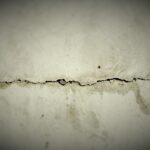
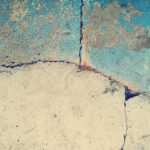
In our series of Local Project Spotlights, we look at real problems faced by your neighbors right here in Mapleton. Recently, a family living near the beautiful Mapleton foothills noticed a major issue. Their garage floor—a large reinforced concrete slab—had developed a crack wide enough to slide a coin into. Even worse, one side of the floor was sinking lower than the other.
“We were worried our garage was going to collapse. Every time it rained, muddy water seeped up through the floor.” — Sarah M., Mapleton Homeowner
Because Mapleton experiences cold, snowy winters and hot summers, water had slipped into the small cracks of their garage floor. Once winter came, that water froze and expanded, pushing the concrete apart. The local repair crew stepped in quickly to perform a reinforced concrete slab repair. They lifted the sunken slab, cleaned the rusty steel rebar inside, and filled the cracks with a powerful waterproof compound. Today, the garage floor is level, dry, and stronger than ever.
To understand how repairs work, it helps to understand why concrete gets damaged in the first place. Even though it seems indestructible, concrete is actually like a hard sponge. It has tiny, microscopic pores that can absorb moisture.
The Salt and Water Threat
In Mapleton, we use salt to melt ice on our roads and driveways. When snow melts, it carries that salt into the concrete. Once the salty water reaches the steel rebar inside, a chemical reaction occurs. The steel begins to rust. As steel rusts, it expands up to four times its original size. This expansion pushes against the concrete from the inside out, causing it to flake and crack. This annoying process is called “spalling.”
Shifting Utah Soil
The ground beneath Mapleton is rich and beautiful, but it can also be unstable. When we experience heavy rain or melting mountain snow, the soil swells with water. During hot, dry summer months, the soil shrinks. This constant movement leaves hollow gaps under your heavy concrete slabs, causing them to sag and crack under their own weight.
How Professionals Repair Slabs Step-by-Step
Fixing a reinforced concrete slab is not as simple as spreading a fresh layer of cement over the top. It requires careful, professional steps to ensure the fix lasts for decades.
Step 1: Digging Out the Damage
First, repair technicians use special tools to chip away all the loose, broken concrete around the crack. They must expose the rusty steel rebar hidden inside so they can fix the root of the problem.
Step 2: Cleaning the Steel
Next, the crew scrubs the steel rebar with wire brushes or sandblasters. This removes all the rust. They then coat the steel with a special paint that blocks water and salt, preventing rust from coming back in the future.
Step 3: Injecting the Repair Material
Once the steel is clean and protected, the crew fills the empty spaces. Instead of basic concrete, they often use a high-tech epoxy or a polymer-modified mortar. These modern materials bond tightly to the old concrete and dry incredibly fast.
Step 4: Sealing the Surface
Finally, the entire slab is sealed with a waterproof coating. This keeps future rain, snow, and road salt from sinking into the concrete, keeping your slab safe for many years to come.
Mapleton’s Unique Environment and Concrete Care
Mapleton is a unique place to live. Our proximity to the mountains means we get beautiful views, but it also means our homes deal with unique soil challenges. Many properties in Mapleton sit on clay-heavy soils or alluvial fan deposits from the canyons. These soils move more than sandy soils do.
Additionally, our local freeze-thaw cycle is tough on outdoor concrete. During a typical Mapleton winter, the temperature might rise above freezing during the sunny afternoon, only to drop far below freezing at night. This rapid change is the perfect recipe for concrete damage, making routine maintenance and timely reinforced concrete slab repair highly important for local homeowners.
Frequently Asked Questions About Slab Repair
How do I know if my concrete slab needs professional repair?
Look for warning signs like deep cracks, uneven sections where you can trip, powdery white residue on the surface, or concrete that is flaking and peeling away. If you notice your doors or windows sticking inside your home, it could also mean your foundation slab is shifting.
Can I just use a store-bought patch kit to fix the cracks?
While simple DIY kits work fine for tiny, hairline cracks on the surface, they cannot fix structural damage. If the steel rebar inside is rusting, a simple surface patch will pop off in a year or two. True reinforced concrete slab repair requires addressing the steel inside.
How long does a professional slab repair take?
Most residential concrete repairs can be completed in just one or two days. High-tech materials like epoxy and polyurethane dry quickly, meaning you can often walk or drive on the repaired surface within 24 hours.
Is slab repair loud and messy?
Chipping away damaged concrete does make some noise, but professional teams use dust-shrouded tools and vacuums to keep the mess to a minimum. They clean up the work area completely before they leave your property.
Putting It All Together: Your Path to Stronger Concrete
To keep Mapleton homes safe and beautiful, we must look after the foundations beneath them. From the heavy winter snows to the shifting clay soils near our scenic mountains, our environment constantly tests our concrete structures. When cracks appear, they are more than just ugly lines—they are open doors for water, salt, and rust. Ignoring these early warning signs can lead to expensive damage down the road.
Fortunately, modern repair methods can restore your concrete to its original strength without the need to tear it all out and start over. By cleaning the rusty steel rebar and filling the gaps with advanced waterproof materials, local specialists can save your driveways, patios, and garage floors. Investing in professional care today ensures that the hidden structures supporting your home remain strong, stable, and ready to face whatever Utah weather brings next.